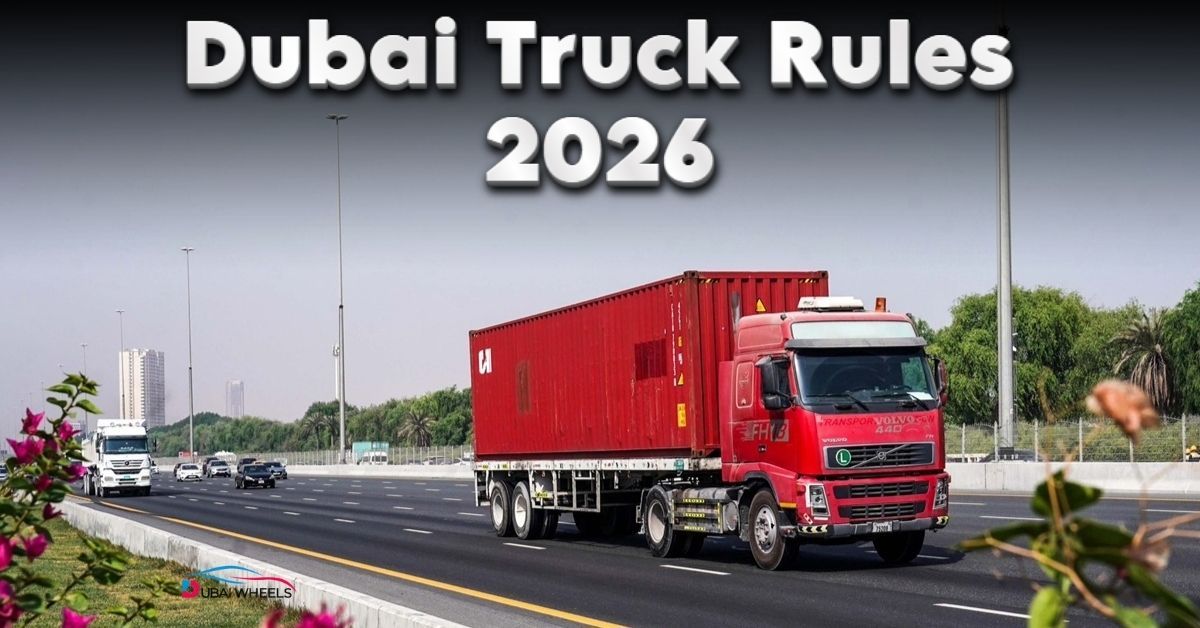

Dubai enters a new era in 2026 with major updates to the Dubai truck rules, aiming to improve road safety, traffic flow, and sustainable transport. Dubai aims to improve road safety, reduce congestion, and promote a smarter, sustainable transport system. This not only involves changes involving trucks, but it also affects all drivers on Emirates Road, Sheikh Mohammed bin Zayed Road and other major road networks. You are a logistics company or a truck driver, or a day-to-day commuter. Here is all you need to know about the new truck regulations in Dubai. Why they were enacted, and how they will change your driving life this year. For drivers, understanding not just truck rules but also other traffic regulations like taxi offences and fines in Dubai is crucial for safe commuting.
Dubai Highway Speed Increase 2026: What Commuters Need to Know
Among the most discussed changes is the Dubai highway speed increase. This increases the movement of vehicles on the long distances of the Emirates road. The update is coupled with the new truck regulations and is meant to enhance the performance of the passenger vehicles.
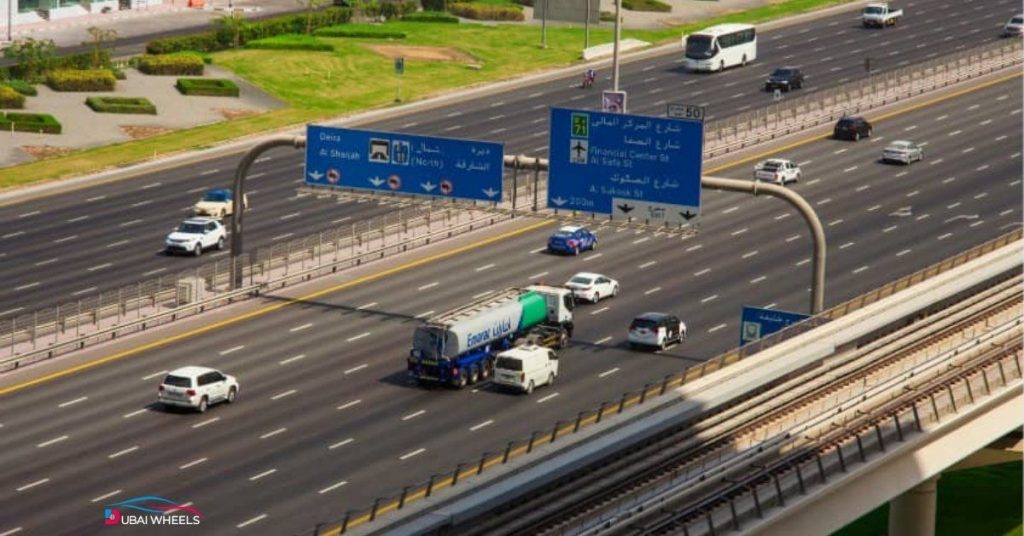
The city is also concerned with fluid movement, particularly during rush hour when the traffic was previously crawling at a snail’s pace. Dubai highways see a 26 km/h speed increase in 2026, improving traffic flow and reducing congestion during peak hours.
Traffic & Safety Improvements
Since the implementation of these rules:
- Traffic speed increased by up to 26 km/h on Emirates Road and Sheikh Mohammed bin Zayed Road
- Traffic incidents reduced from 75 in 2024 to 37 in 2025
These results highlight the efficiency of truck regulations in enhancing commuter safety and travel times. Now the long-distance journey is made easier and faster by ordinary commuters.
| Metrics | Status / Change |
|---|---|
| Average Traffic Speed | Increased by +26 km/h compared to 2024 |
| Traffic Incidents (per year) | Reduced from 75 in 2024 to 37 in 2025 |
| Congestion Level (Peak Hours) | Improved from high to moderate |
New Truck Regulations Dubai 2026: Key Changes
The 2026 update brings in more stringent control of the movement of trucks in terms of time and location, and road category. The purpose is straightforward: to reduce traffic jams and improve overall safety. The new regulations modify the movement of heavy automobiles on major highways. Peak time restrictions are even stricter to minimise roadblocks and weaving. These Dubai vehicle speed regulations particularly affect Emirates Road and Sheikh Mohammed bin Zayed Road. Previously, high vehicle density caused severe traffic congestion.
Truck Movement Restricted During Peak Hours
To improve traffic flow and safety, trucks are now restricted during peak hours: 7:00 AM – 9:00 AM and 4:00 PM – 7:00 PM on Emirates Road and Sheikh Mohammed bin Zayed Road. These measures are confirmed by the RTA’s official statement, which details the exact timings, affected roads, and the purpose behind the truck restrictions. These measures ensure smoother traffic for commuters and reduce congestion caused by heavy vehicles.
| Road / Highway | Key Rules & Peak Hours |
| Emirates Road | Peak Hours: 7:00–9:00 AM & 4:00–7:00 PM Lane: Far-right lane for trucks Penalty: Dh1,500 + 12 black points |
| Sheikh Mohammed bin Zayed Road | Peak Hours: 7:00–9:00 AM & 4:00–7:00 PM Lane: Far-right lane for trucks Penalty: Dh1,500 + 12 black points |
Truck operators and commuters should also be aware of RTA rules for driving license renewal to ensure compliance with Dubai traffic laws.
Dubai Rush Hour Traffic Improvement: 2026 Update
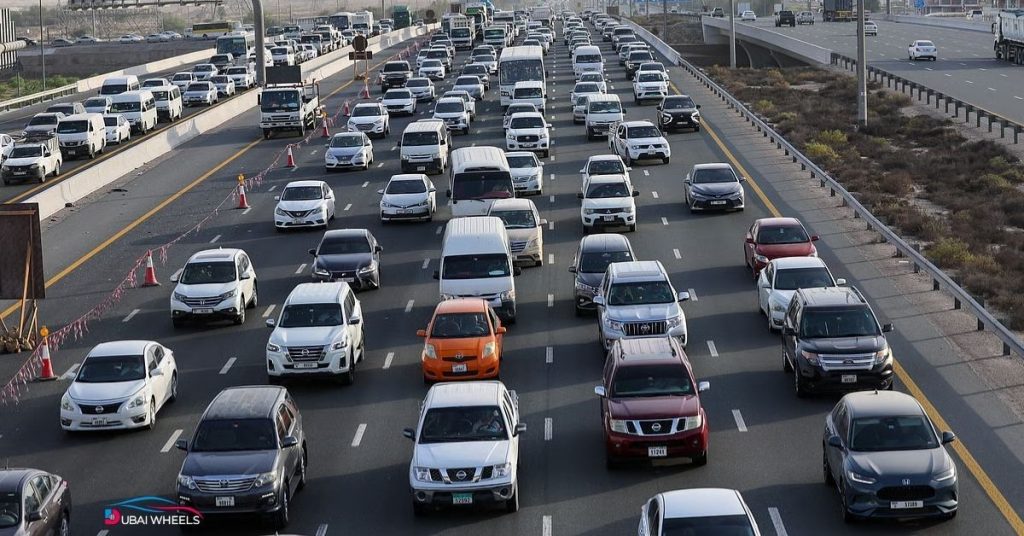
Previously, trucks were a cause of congestion on major highways. This new system promotes the light traffic congestion in the morning and evening. Commuters should also follow occupancy limits in vehicles as per UAE laws to ensure safety, along with the new truck regulations.
Lane Restrictions for Trucks & Heavy Vehicles
Trucks and heavy vehicles must use the far-right lane on highways. Motorcycles and delivery bikes follow designated lanes according to road width.
Penalties for violation include:
- Heavy vehicles: Dh1,500 + 12 black points
- Ignoring lane restrictions: Dh500
Smart radars and cameras monitor compliance to ensure safety and order on all major roads.
This will result in easier Traffic flow improvement on Emirates Road of school buses and office commuters, and intercity passengers. With these new measures, the authorities anticipate an apparent decrease in traffic during Dubai’s rush hour. The city can manage the timings of trucks, thereby promoting the quick movement of trucks over high-traffic routes. Maintaining up-to-date Vehicle Registration Renewal Dubai is equally important for truck and passenger vehicles to avoid penalties on highways.
Emirates Road Traffic Updates: Faster Travel & Less Congestion
Dubai registered a high volume of freight on the Emirates Road. This usually created long queues during the rush periods. The new regulations, together with the new speed limit and the control of the smart lane, give more room to the normal vehicles to move freely. Through these Emirates Road traffic updates, drivers are supposed to experience:
- Better road discipline
- Less lane shifting
- Consistent speed flow
The outcome is a more structured highway experience, which reduces travel delays.
Sheikh Mohammed bin Zayed Road Rules 2026: Safer & Faster Travel
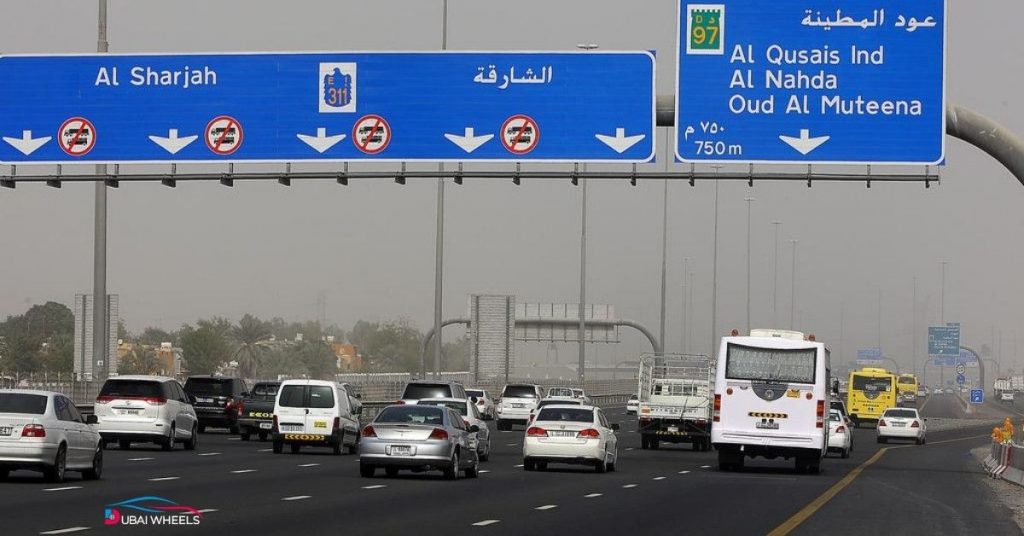
The recent rules of the Sheikh Mohammed bin Zayed Road are based on speed and safety. As this road connects significant residential zones, free truck traffic earlier on the road resulted in low movement of traffic movement. Today, under the new limitations, the Sheikh Mohammed bin Zayed Road faster travel project is becoming a reality for millions of motorists.
Truck Restrictions in Dubai: Safety & Efficiency Benefits
Benefits of Truck Restrictions in Dubai:
- Shorter travel times for commuters
- Fewer accidents involving heavy trucks
- Less pollution
- Reduced emissions on Dubai’s highways along commuter routes.
- Less wear and tear of road surfaces.
The government emphasised that these truck restrictions benefit Dubai by enhancing the quality of the environment as well as the level of road safety.
Road Safety in Dubai, UAE: Reducing Truck Accidents
The issue of truck-related accidents has been of concern throughout the UAE. Dubai has new rules that make movement controlled and monitored. This reduces the risks of oversized vehicles on the overcrowded road. The campaign is aimed at more predictable and safer road behaviour. This helps in enhancing greater road safety in Dubai, UAE, and is in line with the long-term transport vision of the city.
Dubai Transport System Efficiency 2026: Faster & Smarter Freight
“The new truck restrictions are essential for improving traffic flow and safety,” said Saeed Al Mazrouei, Director of Roads and Transport at RTA. “By reducing heavy vehicle movement during peak hours, we ensure faster and safer commutes for all road users.”
The core of the transport system in Dubai is efficiency, and one of the aims of the 2026 rules is to provide faster freight delivery without violating the security of the people. The new framework enhances efficiency in the Dubai transport system by streamlining logistics and increasing the timeliness of logistics, particularly in businesses where the movement is a regular occurrence.
Truck Rest Areas & Facilities
Dubai has developed 19 truck rest areas along major highways, with capacity for over 1,000 trucks. Integrated facilities include:
- Diesel refuelling stations
- Motels and prayer rooms
- Workshops and maintenance centres
- Clinics, pharmacies, and driver welfare services
These facilities ensure truck drivers’ safety, comfort, and well-being while complying with the new rules. For truck drivers and commuters, understanding Dubai parking timings is essential when planning routes and rest stops along major highways.
Reduced Emissions on Dubai Highways: Supporting Sustainability
When there is a limitation of trucks on busy days. The emissions are reduced considerably. The flow of traffic is more efficient with fewer heavy trucks on the lanes.
Environmental Benefits
Limiting heavy trucks during peak hours helps reduce fuel consumption and pollutant emissions, supporting Dubai’s sustainability roadmap. Cleaner highways contribute to better air quality and a more eco-friendly transport system.
This aids the vision of Dubai to reduce emissions on its highways and drives its sustainability roadmap.
Smart Traffic Management Dubai & Intelligent Traffic Systems UAE 2026
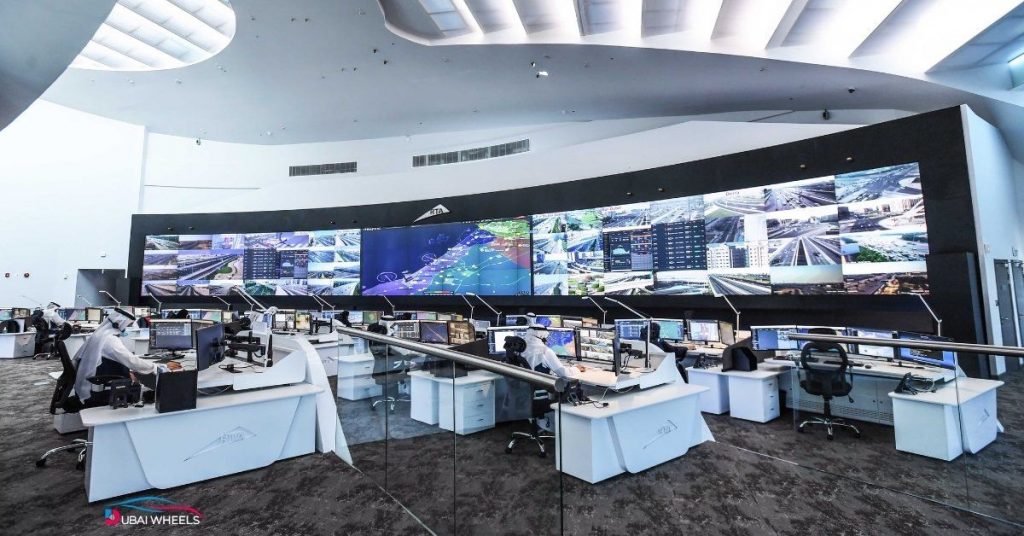
Dubai is still on the path to digital transport control. The city tracks the activity of trucks with the help of AI technologies and sensors on highways and reorganises the routes in real-time. Such smart traffic management upgrades assist the authorities in making rules more effective. Together with smart traffic systems UAE, the future of road activity becomes more computerised and predictable.
Sustainable Transport in Dubai: Long-Term Goals
Dubai desires a smarter future that is cleaner. The new truck regulations show a vision of sustainable transport in Dubai that ensures a safer and faster, and eco-friendly means of travelling. The steps will be the beginning of improving mobility in the long run and making highways smarter.
Congestion Reduction in Dubai: Benefits for Commuters
However, it all comes down to the same thing, which is to alleviate congestion. The reduced number of vehicles that occupy lanes with heavy traffic makes the daily users enjoy a stress-free journey. These changes are the direct contribution to congestion reduction in Dubai that will guarantee the predictable movement trends and reduced instances of unforeseen delays.
Dubai Truck Rules 2026: Key Takeaways for Drivers
The Dubai truck regulations 2026 are one of the greatest transport changes in decades. As the movement of trucks and the traffic movement increase. The speed limits get higher, and the improved systems of best practices in Dubai highway traffic control are being utilised. Therefore, the roads of Dubai become safer and cleaner and much more efficient. The new Dubai truck rules 2026 can change the entire Dubai in a new way.
These changes will define your 2017 travel, whether you are a daily commuter or manage a logistics fleet. The transition of Dubai to smart mobility and sustainable traffic control, and safer roads is establishing a new standard in the region. As well as in all of the drivers of the emirate, the advantages of the change will be experienced. In the year 2026, when you drive within Dubai, be prepared to get on the roads that are faster, smoother and have a more organised traffic flow all over the city.
For more insights, updates, and guides on driving, traffic rules, and vehicle regulations across Dubai and the UAE, explore our full collection of articles on the Dubai Wheels Blog. Stay informed and make your commuting safer and smarter!
FAQs
What are the new Dubai truck rules in 2026, and how do they impact traffic?
Dubai truck regulations 2026 have more stringent peak-hour prohibitions, routing policies, and no-go areas to enhance traffic congestion and road safety.
What was the increase in highway speeds after these rules?
The speed along highways rose by up to Dubai highways see 26 km/h speed increase on major highways due to the diversion of heavy trucks and the redistribution of traffic.
What are the affected roads of the truck restrictions?
Among the most critical routes, one can notice Emirates Road, Sheikh Mohammed bin Zayed Road, and other significant routes where bans on trucks during the Dubai peak hour truck ban effect today.
Do the truck regulations make Dubai roads safe?
Yes, the new regulations are making the road network less congested with lower accident rates and improving general road safety worldwide in Dubai.
What is the impact of these rules on emissions and sustainability?
The regulations promote lower emissions and healthier transport systems due to a more fluid traffic pattern and less congestion at peak hours.
Who are the enforcers of the truck restrictions in Dubai?
The Dubai RTA intelligent traffic system updates traffic management, implements the smart cameras, intelligent traffic and highway patrols to monitor and enforce the restrictions.